Your Cart is Empty
Waterproofing systems are now considered to be very important to the performance of the building. With new construction techniques and designs, the demand for waterproofing materials has increased manifold.
Today’s buildings are exposed to environmental stresses, varying loads, and weather changes. To maintain the safety and durability of buildings, they need to be protected by a good waterproofing system. Without a waterproofing system, buildings with good architectural designs can be exposed to water seepage, degradation of concrete materials, damaged insulation systems, and molds inside the buildings.
Traditional waterproofing techniques, such as bituminous membranes and cementitious coatings, have traditionally driven this market. However, modern construction schemes require increased flexibility, installation quality, and longer life expectancy.
This shift has driven the growing adoption of synthetic sheet membranes such as the Vinitex PVC-P Waterproofing Membrane, which provides enhanced durability and predictable performance in demanding environments.
PVC-P, or plasticised polyvinyl chloride, is a flexible synthetic material engineered specifically for waterproofing applications. Unlike rigid PVC materials used in plumbing or structural components, PVC-P membranes incorporate plasticisers that allow the material to remain flexible over time.
This flexibility is a crucial advantage in construction environments where buildings are subject to constant movement from temperature fluctuations, settlement, and structural loads.
TheVinitex PVC-P Waterproofing Membrane is manufactured as a high-performance sheet membrane designed to create a continuous waterproof barrier across structural surfaces. When installed correctly, the membrane prevents moisture penetration while maintaining flexibility across large building areas.
Because sheet membranes are factory-manufactured, they maintain consistent thickness and performance characteristics across every installation.
Modern waterproofing technologies are designed to address several critical performance requirements.
Buildings expand and contract due to various pressures. Waterproofing systems have to adapt to the movement of the buildings without breaching the waterproofing membrane.
PVC-P membranes remain flexible for long periods of time to allow them to adapt to the movement of the buildings.
Waterproofing failure is often seen at the point where the different parts of the membranes meet at the joints.
PVC-P membranes are assembled using heat-welding techniques to seal the seams together into a strong and seamless waterproof envelope.
Sheet membranes are made under controlled factory conditions, which is quite different from liquid waterproofing materials that depend to a great extent on how the installer uses them. This ensures that the entire thickness of the material is consistently maintained.
Waterproofing systems must withstand exposure to sunlight, temperature fluctuations, and environmental contaminants.
Synthetic membranes are engineered to resist degradation from UV exposure and environmental stress.
Understanding the differences between modern membranes and traditional systems helps explain why many construction professionals now prefer synthetic waterproofing technologies.
Bituminous membranes have stood the test of time as waterproofing solutions because they are affordable and readily available. However, they often depend on torching, multiple layers, and adhesives to remain fixed.
As the materials have been exposed to harsh conditions over the years, they may become brittle, which may cause them to crack or lose their flexibility.
Liquid membranes offer versatility during installation but rely heavily on correct application technique.
Inconsistent thickness, curing conditions, or surface preparation can impact the performance of liquid-applied waterproofing systems.
Cement-based waterproofing materials are commonly used for internal wet areas or below-ground structures.
While these systems bond well with concrete substrates, they typically lack the flexibility required to accommodate structural movement.
Modern building design requires waterproofing systems capable of delivering predictable, long-term protection. This is where advanced synthetic membranes provide clear advantages.
TheVinitex PVC-P Waterproofing Membrane is engineered to overcome many of the limitations associated with older waterproofing technologies.
Rigid waterproofing systems may crack when subjected to structural movement or temperature fluctuations. PVC-P membranes maintain flexibility throughout their lifespan, allowing them to adapt to structural changes while preserving the waterproof barrier.
Seams are often the weakest point in waterproofing systems. Adhesive joints or overlaps can deteriorate over time.
Heat-welded seams create a strong bond between membrane sheets, forming a continuous waterproof layer across the entire structure.
Construction projects frequently operate under tight timelines. Some traditional waterproofing systems require curing time or complex layering procedures.
PVC-P sheet membranes can be installed efficiently, helping contractors maintain project schedules while ensuring reliable waterproofing performance.
Factory manufacturing ensures consistent membrane thickness and quality across the entire installation. This level of consistency is difficult to achieve with liquid-applied waterproofing products.
Environmental exposure can gradually degrade some waterproofing materials. Synthetic membranes are engineered to withstand temperature fluctuations, UV exposure, and environmental stress for extended periods.
High-performance waterproofing membranes are widely used in commercial and residential construction projects where long-term moisture protection is essential.
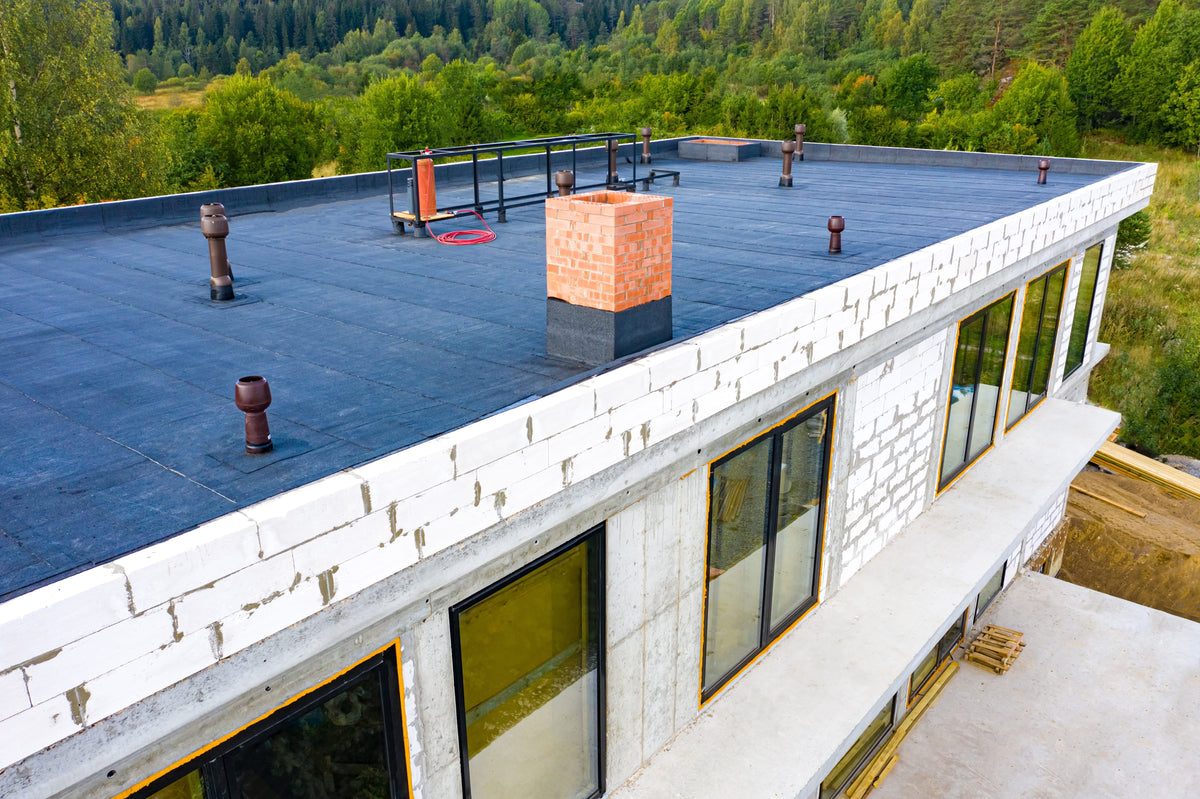
Roof structures are constantly exposed to weather conditions, including rain, sunlight, and temperature variation. Waterproofing membranes help protect roofing assemblies from water penetration.
Below-ground structures experience hydrostatic pressure from surrounding soil and groundwater. Reliable waterproofing systems prevent water infiltration into basements and structural foundations.
Mixed-use developments often include podium decks that support landscaping, pedestrian access, or recreational areas. These structures require waterproofing systems capable of handling both moisture exposure and structural loads.
Retaining structures are often exposed to moisture from the surrounding soil. Waterproof membranes help prevent moisture penetration and structural deterioration.
Selecting the correct waterproofing system involves more than choosing a product. It requires understanding building design, structural conditions, environmental exposure, and installation methods.
Suppliers with extensive industry experience can provide valuable technical guidance during project planning and specification stages.
With more than two decades of experience supporting construction professionals,Waterproofing Direct provides builders, architects, and contractors with access to high-quality waterproofing products and technical expertise.
By combining product knowledge with industry experience, atWaterproofing Direct, we help to ensure projects use waterproofing systems that meet both performance and compliance requirements.
Selecting the right waterproofing system can significantly impact the longevity and performance of your building project.
AtWaterproofing Direct, we supply high-quality waterproofing systems supported by technical knowledge developed through more than 20 years in the building and waterproofing industry. Our team works closely with builders, contractors, architects, and property owners to help identify reliable solutions for complex waterproofing requirements.
To learn more about advanced membrane systems or discuss your project requirements, call us at1300 557 973.