
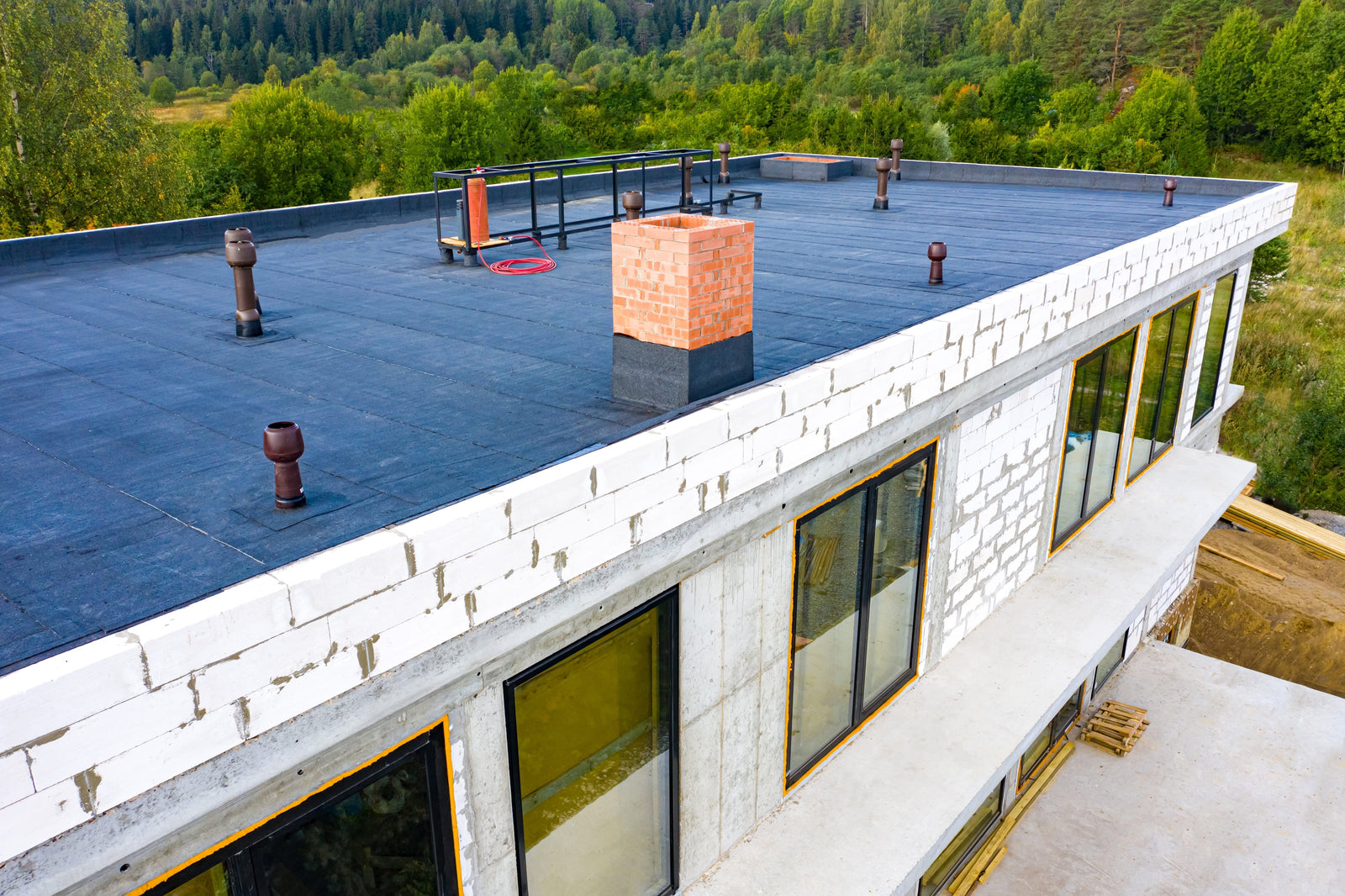

Fixing Water Damage with the Right Waterproof Concrete Supplies
Water damage in concrete is never just a cosmetic problem. What often begins as a small damp patch, surface crack, or minor seepage can quietly escalate into structural deterioration, mould growth, corrosion of steel reinforcements, and costly long-term repairs. Fixing water damage properly means addressing both the visible damage and the unseen moisture pathways that allow water to penetrate concrete in the first place.
Such damage is where the right waterproof concrete supplies make a difference. Rather than masking symptoms, purpose-built waterproofing materials are designed to stop water at its source, restore concrete integrity, and protect structures from future exposure. Correct selection and application of these supplies enable the one-time and proper repair of water-damaged concrete.
Why Concrete Water Damage Happens in the First Place
Concrete is strong, but it is not waterproof by nature. The internal composition is replete with minute pores, capillaries, and micro-cracks that allow water to migrate through the material. Exposure to the elements, the design of the structure, and site conditions influence the rate at which water damage manifests.
Some of the most common reasons for water damage in concrete are:
Common Causes of Water Damage
-
Inadequate drainage around foundations
-
Hydrostatic pressure exerted by the soil around the structure
-
Cracking due to shrinkage or movement
-
Failure of waterproofing membranes
-
Inadequate joint detailing
-
Prolonged exposure to rain or groundwater
When water infiltrates the concrete, problems usually develop in a sequence. The steel rebar in the concrete may begin to rust, the concrete could begin to spall or crack further, and the corners of the structure could remain wet or develop mould growth. Repairing the issue isn’t a task for surface repairs but requires a waterproofing strategy.
How Waterproof Concrete Supplies Stop Water at the Source
To truly fix water damage, repairs must block moisture pathways rather than simply covering affected areas. High-quality waterproof concrete supplies are engineered to penetrate, bond with, or form protective barriers within the concrete structure itself.
Functions of Waterproof Concrete Supplies
Depending on the application, these supplies may:
-
Seal internal capillaries to block moisture movement
-
Bond chemically with concrete to resist water pressure
-
Create flexible barriers that accommodate movement
-
Reinforce weakened sections while restoring durability
The goal is to stop water migration permanently, not temporarily. Using the correct products allows concrete to regain its strength and resistance to moisture intrusion.
Key Waterproof Concrete Supplies Used in Water Damage Repairs
Water-damaged concrete repairs may require a system of materials working together rather than a single product. The categories of products include:
Waterproof Concrete Supplies for Structural Repairs
-
Cementitious repair mortars designed for damp substrates
-
Crystalline waterproofing compounds that grow within pores
-
Injection resins for active leaks and crack sealing
Waterproof Concrete Supplies for Surface Protection
-
Cement-based waterproof coatings
-
Flexible membranes for exposed areas
-
Protective sealers that reduce water absorption
Each product plays a specific role, and compatibility between materials is essential for long-term performance.
Where Water Damage Commonly Occurs in Concrete Structures
Understanding where water damage typically develops helps ensure repairs are targeted and effective. Certain areas are consistently exposed to moisture or water pressure and require specialised attention.
High-Risk Concrete Areas
-
Basements and below-ground walls
-
Retaining walls in contact with soil
-
Balconies, podium slabs, and rooftops
-
Bathrooms, laundries, and wet areas
-
Car parks and service structures
In these locations, waterproof concrete supplies are essential to prevent water from re-entering the structure after repairs are completed.
Step-by-Step: Fixing Water Damage Properly
Step 1: Identify the Water Entry Point
Before any work begins, you have to determine where and how the water is entering the concrete. This involves looking at cracks, joints, penetrations, and changes in material. If you simply treat the symptom without determining the root cause, you will probably see the problem reappear.
Step 2: Prepare the Concrete Surface
The success of waterproofing depends on the surface preparation. Before proceeding, check that the surface is clean and free of loose material, contaminants, or weak concrete.
Step 3: Repair Structural Defects
Cracks, voids, and damaged areas must be repaired with compatible repair systems. Structural integrity must be restored before applying waterproofing layers.
Step 4: Apply Waterproofing Systems
This is where quality waterproof concrete supplies come in. Waterproofing systems are chosen depending on exposure conditions, water pressure, and movement.
Why Product Quality Matters When Fixing Water Damage
While it is true that cheaper materials may provide a temporary solution, they tend to fail when exposed to constant moisture or movement. Waterproof concrete supplies that are of professional grade are designed to withstand actual conditions, such as hydrostatic pressure or temperature changes.
Benefits of Quality Materials
-
Increased lifespan
-
Reduced repeat repairs
-
Improved adhesion and flexibility
-
Compliance with Australian Standards
-
Increased structural protection
The result of all this is a reduced number of call-backs and a lower cost of maintenance.
The Importance of Expert Supply and Technical Support
Fixing water damage successfully requires more than access to products — it requires knowledge. Suppliers like Waterproofing Direct provide not only professional-grade materials but also technical guidance to help ensure correct product selection and application.
With experience across residential, commercial, and infrastructure projects, Waterproofing Direct supports builders and contractors in choosing the best waterproof concrete supplies that suit site conditions, structural requirements, and compliance needs.
Preventing Water Damage After Repairs Are Complete
Addressing pre-existing damage is only half the challenge. Preventative waterproofing measures can help ensure that water does not re-enter the structure.
Effective Prevention Includes
-
Applying waterproofing to concrete during construction if possible
-
Protecting joints and penetrations correctly
-
Managing drainage and water flow around the structure
-
Using comprehensive waterproofing measures
-
Regularly inspecting areas of high risk
Including waterproof concrete supplies as part of your overall protection plan helps ensure structures stay resilient against future moisture damage.
Fix Water Damage with Confidence Using the Right Supplies
Water damage in concrete should never be ignored or treated with quick fixes. Long-lasting repairs require the right materials, correct application, and a system-based approach. Choosing the right waterproof concrete supplies that are designed for real-world conditions ensures water is stopped at the source and concrete structures remain protected for years to come.
If you are dealing with concrete water damage or want to avoid leaks before they happen, partnering with experienced professionals is more important than ever. At Waterproofing Direct, we offer access to high-performance systems, technical support, and solutions trusted across Australia.
Speak with Waterproofing Specialists Today
To get expert advice on fixing water-damaged concrete or selecting the right waterproofing solutions, call us at 1300 557 973 or contact us to explore our full range of professional waterproofing systems.